

Trading Apps vs Gambling Apps: Understanding the Key Differences
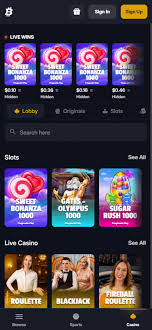
In today’s digital age, both trading apps and gambling apps have become prominent players in the realm of personal finance and entertainment. While they may appear similar at first glance—both allow users to engage in transactions and potentially earn profits—they cater to very different audiences and involve vastly different mechanisms. This article delves into the nuances that distinguish these two types of apps, exploring their functions, risks, rewards, and user experiences. Additionally, we will touch upon the intersection of gambling in financial literacy and risk management. For enthusiasts of chance and luck, Trading Apps vs Gambling Apps: UX Similarities https://bitfortunebetting.net/slots/ present an interesting angle on gambling apps.
Understanding Trading Apps
Trading apps are software applications that facilitate online trading of financial assets, including stocks, bonds, cryptocurrencies, and forex. They provide users with access to financial markets, allowing individuals to buy and sell assets through easy-to-use interfaces. Popular trading apps such as Robinhood, eToro, and Coinbase have democratized trading, making it accessible to the average consumer without the need for a broker.
Key Features of Trading Apps
- Real-Time Data: Users benefit from real-time market data, which is essential for making informed trading decisions. The ability to monitor stock prices, market trends, and financial news can significantly enhance a trader’s chances of success.
- Technical Analysis Tools: Many trading apps come equipped with tools for technical analysis, including charts and indicators that help users analyze price movements and make predictions.
- Variety of Assets: Trading apps often enable users to trade a wide range of financial instruments, catering to various investment strategies and risk tolerances.
- Educational Resources: Some apps offer educational resources, including tutorials, webinars, and articles to help users improve their trading skills.
Risks Involved

While trading can be lucrative, it comes with significant risks. The volatility of markets means that traders can experience substantial losses. Additionally, many novice traders may lack the knowledge or discipline required to succeed, which can lead to poor investment decisions.
Exploring Gambling Apps
Gambling apps, in contrast, are designed for entertainment, allowing users to participate in games of chance, such as slots, poker, and sports betting. These apps leverage random number generation to determine outcomes, placing a significant emphasis on luck rather than skill.
Key Features of Gambling Apps
- Variety of Games: Gambling apps typically feature a wide range of games, including casino games, sports betting, and even live dealer games that offer a more immersive experience.
- Payouts and Bonuses: Gambling apps often have various bonuses and rewards programs to attract users, including free spins, deposit matches, and loyalty rewards.
- User-Friendly Interfaces: These apps are designed for ease of use, ensuring that even those unfamiliar with gambling can navigate and enjoy the gaming experience.
- Community Features: Some gambling apps include social features, allowing users to interact with each other, compete, or share experiences.
Risks Involved
The risks associated with gambling apps are distinct from those related to trading. While trading can lead to financial loss, gambling can lead to addiction and problematic behaviors. Users may lose significant amounts of money quickly, and the thrill of winning can lead to reckless betting behavior.
Comparing Trading and Gambling Apps
The fundamental difference between trading apps and gambling apps lies in their approach to risk and reward. Trading often involves detailed analysis and market research, presenting users with opportunities for rational decision-making based on factual data. In contrast, gambling relies heavily on chance and luck, making it a more unpredictable pursuit.
Financial Literacy and Decision Making
Both apps require a certain level of financial literacy, but the skills developed in each domain differ significantly. Trading apps promote the development of analytical skills and market understanding, while gambling apps can sometimes foster a complacent attitude towards risk, as outcomes are inherently uncertain and often beyond the player’s control.
Potential for Profit
While both trading and gambling present opportunities for profit, they do so in very different ways. Traders can analyze market patterns, develop strategies, and engage in methods to mitigate losses. Conversely, gamblers typically have little control over the outcome of a game, and success largely hinges on luck.
Conclusion
In summary, trading apps and gambling apps serve very different purposes and attract varied audiences. Trading apps cater to individuals seeking financial investment and growth, emphasizing analytical skills and market knowledge. In contrast, gambling apps focus on entertainment and the thrill of chance, which can inadvertently lead to risks associated with addiction and financial loss. Understanding these distinctions is crucial for individuals looking to engage in either activity responsibly and effectively.
As the landscape of digital finance and gambling continues to evolve, users must educate themselves about the potential pitfalls and benefits associated with both trading and gambling apps. Making informed decisions can help individuals navigate this complex world, ensuring a more secure and enjoyable experience.